
Choosing Between a Mobile App and Responsive Website for Your Ecommerce Business
At first glance, it may seem there isn’t a big difference between a mobile website and mobile app. Many people feel they just need a website that looks good on mobile devices. Others say mobile apps have benefits a website cannot provide. Adapting your business to mobile can be confusing not only in marketing decisions, but also from a technical perspective.
Libra Web Solutions service include: Ecommerce App Development Company, Mcommerce Developers, Ecommerce Hybrid App Development, Mobile App Developers for ecommerce, Small Business Ecommerce Mobile App.
Responsive Web vs Native Apps
Mobile apps can be developed natively or as a hybrid, while mobile friendly websites can be developed as responsive or adaptive. Adapting web content to mobile has two main advantages: time and money.
Features of Responsive Websites
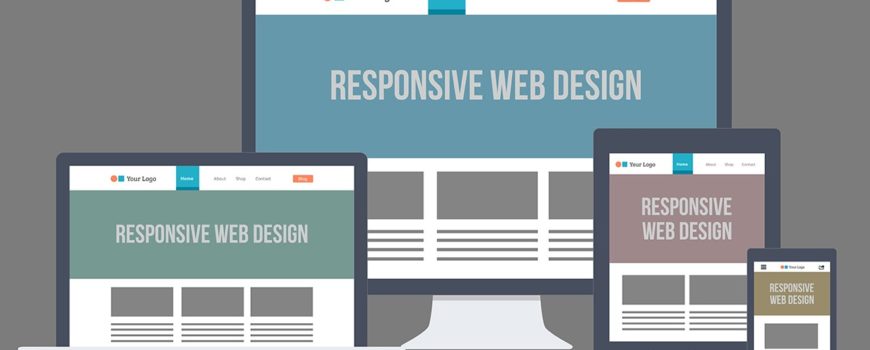
A responsive website uses HTML pages accessible with any browser, with a special design based on CSS media queries that fits any screen. Many companies today have responsive websites to make their information available across platforms. When people look for information, they usually start with web browsers rather than app stores.
Features of Mobile Apps
Mobile apps don’t run on all devices and need to be installed separately, but give a unique user experience — good when a person needs to complete a specific goal in just a few taps. They require downloading and installation, provide bigger safety than browsers, can work offline, and work better with hardware sensors like microphones, cameras, and GPS.
Libra Web Solutions service include: Ecommerce App Development Company, Mcommerce Developers, Ecommerce Hybrid App Development, Mobile App Developers for ecommerce, Small Business Ecommerce Mobile App.
Comparison
Compatibility: Responsive sites display equally across all browsers regardless of device; apps require development of several versions for various platforms.
Audience: Responsive reaches all devices with internet access; apps only reach smartphones and tablets.
Cost of entering the market: Responsive needs domain and hosting payments; apps need developer licenses in app stores.
Ease of use: Responsive doesn’t require download; apps require downloading and installation.
Working offline: Not supported for responsive; possible for apps.
Support, updates, bug fixing: Easy to update for responsive; difficult to update and monitor apps, with bugs fixed only in the next version.
Convenience of regular use: Average for responsive; good for apps.
Personalisation: Responsive is more focused on the service; apps are more aimed at the individual user.
Both alternatives have their advantages and disadvantages. To choose the one which suits you, you must understand the purpose of the product — a mobile app is more preferable if your plans require high performance. There is no single clear answer for what every business needs.
Who said you have to choose only one option? You don’t need to limit your business to only one form of representation — you can go for both. If you are looking for developing an app for your ecommerce business, leave it to us. Libra Web Solutions is an ecommerce specialist who transformed about 75+ ecommerce ventures for customers from UK, Hong Kong, India, Australia, Singapore since 2008.
Sharmila specializes in business development, lead generation, and customer service. She has an interest in bringing traditional businesses online, and currently handles business development and customer support at Libra Web Solutions.